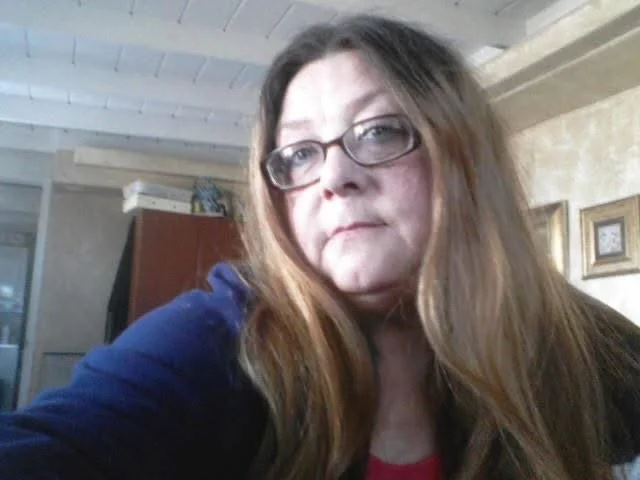
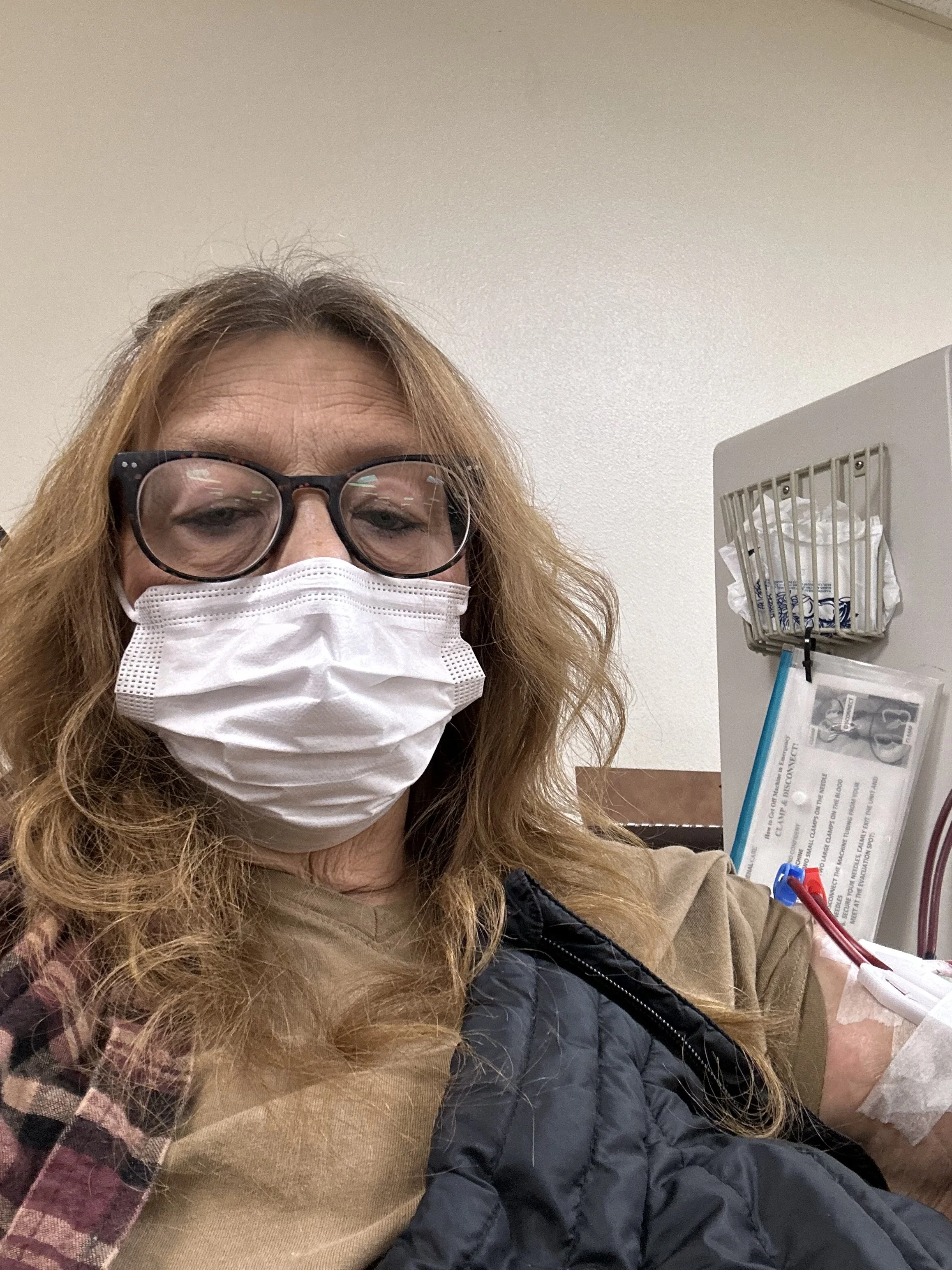
Gail needs a kidney transplant because she has polycystic kidney disease. This is a hereditary kidney disease, which has caused cysts to grow uncontrollably on both her kidneys, preventing them from functioning.
She is registered at UCSF Health in San Francisco, California.
Gail Santillan
10/27/56 date of birth
Click to find out more information about donating a kidney:
UCSF Living Organ Donation
If you are interested in seeing if you qualify, scroll down to “Check your eligibility” to start a questionnaire. Someone will contact you approximately two weeks after you submit.
Why a living kidney donation is better:
Gail is on the wait list for a kidney from someone who has passed away, but it is better when the kidney comes from a living person.
~Shorter wait times. A kidney someone get passed away takes years.
~Fewer complications. Kidneys from living people wake up and start functioning faster, which means fewer complications after surgery.
~Last longer. Kidneys from living people last longer than from someone deceased.
~Better match. With living kidney donation the hospital can choose someone who is a better match, which can also lead to fewer complications after the transplant.
~Faster recovery. Because the kidney starts working faster and there are a fewer complications, recovery time is faster with a living kidney donation.
~Timing of the transplant. With living donation the transplant is at a time that works well for the patient and hospital, in addition to the person donating a kidney. Receiving a kidney from someone has passed away requires the transplant surgery to happen at an unpredictable, unscheduled time.
Kidney for Gail
Connect with us:
We go live on TikTok
Monday-Friday at 8am Pacific time.
TikTok.com/@seasonsangels
We talk about Gail, kidney health, and general health topics.
We also have a lot of fun. It’s a wonderful, supportive community.
You can ask any questions. If we don’t know the answer we will find it.
You can also contact us here on the contact page.
National Kidney Foundation:
Information on being a living kidney donor
The National Kidney Foundation has information on topics such as how to be a living donor, questions to ask, benefits and risks, what if you’re not a match, and what to expect.
There are also grants for kidney donors to cover any out of pocket costs not covered by insurance such as time off work, travel, etc.
They have interviews and stories from people who have donated kidneys.
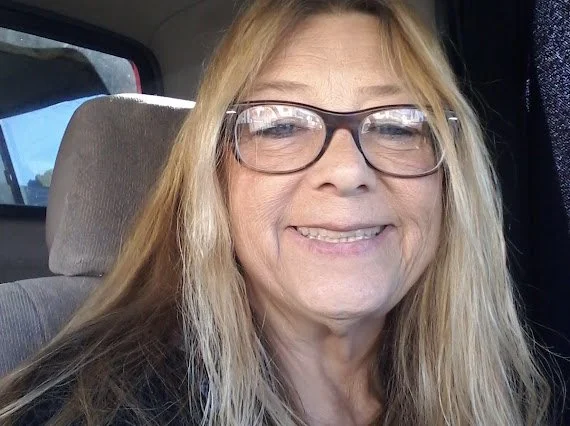
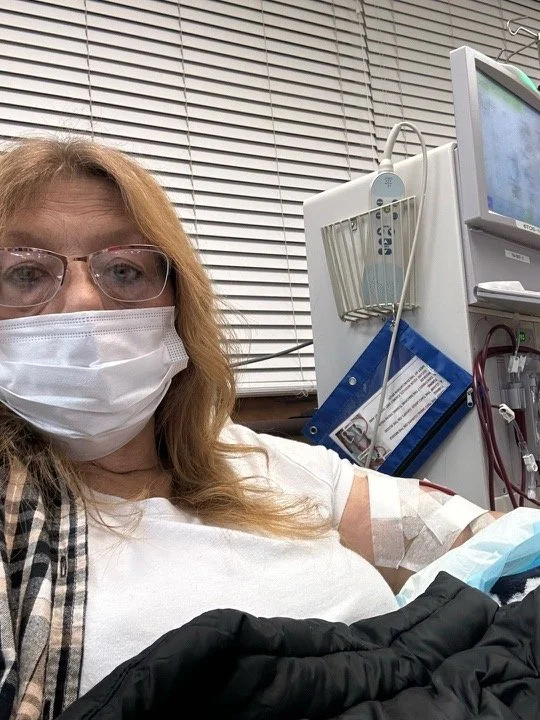
Local Family Seeking Life-Saving Kidney Donor for Beloved Mother and Grandmother
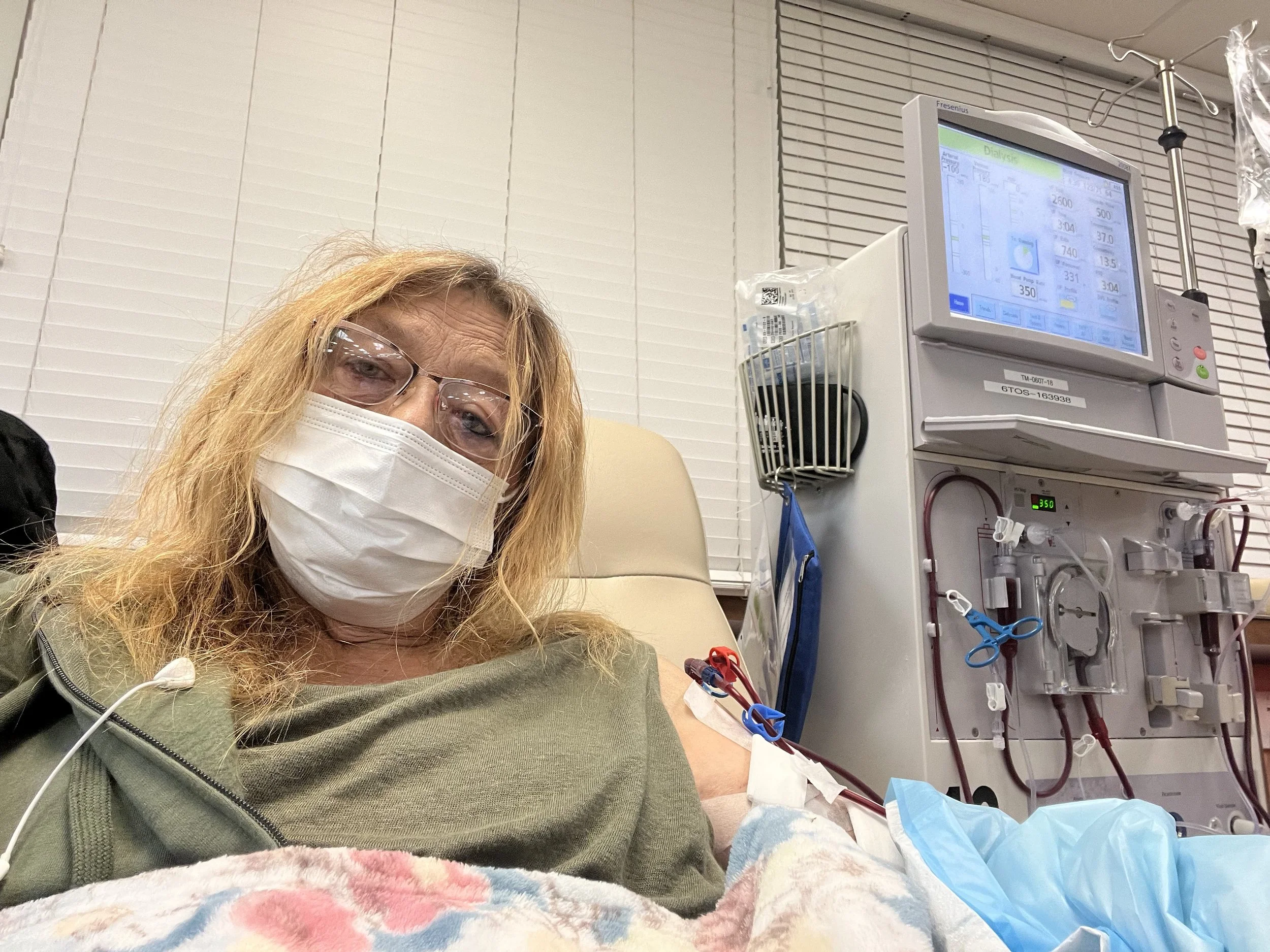
Gail is more than just a patient—she’s a mother, a friend, and the kind of person who has always put others before herself. Right now, she is fighting for her life with Stage 5 renal failure. To stay alive, she depends on dialysis—hours at a time, multiple days a week—just to do what her kidneys no longer can.
Dialysis keeps her alive, but it’s not a cure. It’s exhausting, limiting, and takes away so much of the life she deserves to be living.
A kidney transplant could change everything.
With a living donor, Gail could gain 15 to 20 more years of quality life—years filled with family, laughter, and moments that dialysis simply can’t give back.
And this isn’t just about Gail.
Right now, over 90,000 people in the United States are waiting for a kidney transplant. Every day, lives are put on hold—families waiting, hoping, praying for a second chance.
What many people don’t realize is that you can live a healthy, full life with just one kidney. Living donors go on to work, travel, raise families, and continue living normally—while giving someone else the ultimate gift: life.
Gail has O blood type, but you don’t have to be a direct match to help her.
Thanks to something called a paired kidney donation program, even if you’re not compatible with Gail, you could still donate—and she could receive a matching kidney from another donor in exchange. It creates a chain of life-saving transplants, helping multiple people at once.
We are simply asking for someone to consider becoming a living donor.
One person’s decision could save Gail’s life—and potentially many others.
If you’ve ever thought about organ donation, please consider taking that step today.
For Gail, for our family, and for the thousands still waiting.
Thank you for taking the time to hear our story.